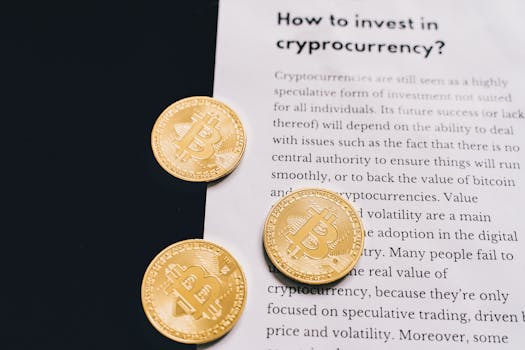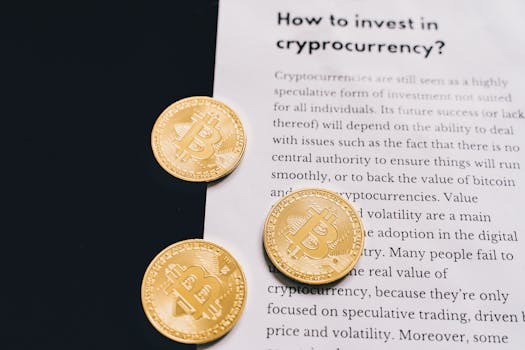
The world of cryptocurrency is no longer the exclusive playground of tech enthusiasts and early adopters. With over 420 million crypto users globally as of 2024 and a total market capitalization exceeding $1.8 trillion, digital assets are mainstreaming into investment portfolios everywhere. If you’re new to this landscape, the first step can feel overwhelming, but with the right approach and knowledge, you can confidently navigate your entry into the world of crypto investments.
This guide walks you through the essential steps to investing in your first cryptocurrency, focusing on research, risk management, platform selection, and security. Whether your goal is long-term growth or simply learning by doing, understanding these steps is crucial for a successful start.
Understanding What Cryptocurrency Is and Why It Matters
Before making any financial commitment, it’s important to grasp the fundamentals of what you’re investing in. Cryptocurrency is digital money built on blockchain technology—a decentralized ledger that records all transactions. Unlike traditional currencies, cryptocurrencies are not controlled by governments or central banks. The best-known example, Bitcoin, launched in 2009, but today there are over 20,000 different digital coins and tokens.
.png)
Why does this matter to investors? Cryptocurrencies offer unique advantages:
- Accessibility: Anyone with internet access can participate. - Transparency: Blockchain records are publicly verifiable. - Limited Supply: Many coins, such as Bitcoin (with a cap of 21 million coins), have built-in scarcity. - Innovation: Cryptocurrencies are the backbone of decentralized finance (DeFi), non-fungible tokens (NFTs), and more.Yet, volatility is a hallmark of this space. For example, Bitcoin’s price ranged from $16,000 in late 2022 to over $68,000 in early 2024. Understanding these dynamics is vital for setting realistic expectations.
Step 1: Educate Yourself and Assess Your Risk Tolerance
Investing in cryptocurrency isn’t a get-rich-quick scheme. The market’s fast-paced nature and frequent price swings mean that risk is inherent. Start by building your knowledge base:
- Follow reputable sources like CoinDesk, The Block, and official whitepapers. - Learn about the different types of coins—such as Bitcoin, Ethereum, and stablecoins like USDT or USDC. - Study the technology, use cases, and communities behind each project.Next, assess your own risk tolerance. Ask yourself:
- How much can you afford to lose without impacting your financial well-being? - Are you more comfortable with high-risk, high-reward assets, or do you prefer stability?A 2023 survey by Statista found that 39% of crypto investors allocated less than 10% of their portfolio to digital assets, underscoring the importance of diversification and caution for beginners.
Step 2: Choosing the Right Crypto Exchange Platform
To buy your first cryptocurrency, you’ll need to use a crypto exchange, which acts as a marketplace for digital assets. There are two main types: centralized exchanges (CEXs) and decentralized exchanges (DEXs).
Centralized exchanges are the most beginner-friendly. They offer user-friendly interfaces, customer support, and the ability to buy with fiat currency (like USD or EUR). Some leading examples are Coinbase, Binance, and Kraken.
Decentralized exchanges allow users to trade peer-to-peer, often with lower fees and greater privacy, but they can be complex for newcomers and typically require ownership of crypto before trading.
Here’s a comparison of some popular platforms for first-time investors:
| Exchange | Type | Supported Coins | Fiat Onramp | Average Trading Fee | Security Features |
|---|---|---|---|---|---|
| Coinbase | Centralized | 200+ | Yes (USD, EUR, GBP) | 0.5%–1.5% | 2FA, insurance, regulatory compliance |
| Binance | Centralized | 350+ | Yes (multiple currencies) | 0.1%–0.5% | 2FA, SAFU fund, withdrawal whitelist |
| Kraken | Centralized | 220+ | Yes (USD, EUR, CAD) | 0.16%–0.26% | Master key, 2FA, proof of reserves |
| Uniswap | Decentralized | 10,000+ | No | 0.3% | Non-custodial, open-source |
When selecting a platform, consider:
- Regulatory compliance in your country - Ease of use - Security track record - Supported cryptocurrencies - Fees for trading, deposits, and withdrawalsStep 3: Creating and Securing Your Account
Once you’ve chosen a platform, you’ll need to create an account. Most centralized exchanges require identity verification (KYC—Know Your Customer) to comply with anti-money laundering regulations. This usually involves submitting a government ID and a selfie.
Security should be your top priority. According to Chainalysis, over $3.8 billion in crypto was stolen in hacks in 2022 alone, much of it due to poor user security.
Best practices include:
- Enable two-factor authentication (2FA) - Use a strong, unique password - Beware of phishing emails or fake sites - Never share your login credentialsFor added protection, consider withdrawing your crypto from the exchange into a personal wallet, especially for larger holdings. Hardware wallets such as Ledger or Trezor provide offline storage and are immune to online attacks.
Step 4: Funding Your Account and Making Your First Purchase
To purchase crypto, you first need to deposit funds into your exchange account. Most platforms accept bank transfers, credit cards, or even PayPal. Note that each funding method comes with its own fees, processing times, and limits. For example:
- Bank transfers: Lower fees (often 0–1.5%), but may take 1–3 business days - Credit cards: Instant, but higher fees (typically 2–5%) - PayPal: Fast, but availability and fees vary by countryOnce your account is funded, you can buy your chosen cryptocurrency. Bitcoin and Ethereum are popular first choices due to their longevity and market size, but research other options based on your goals.
Steps to complete your first purchase:
1. Choose the crypto you want to buy. 2. Enter the amount (in fiat or crypto). 3. Review the transaction, including fees. 4. Confirm the purchase.Your crypto will appear in your exchange wallet. For long-term security, transfer it to your personal wallet.
Step 5: Building a Sensible Investment Strategy
Jumping into cryptocurrency can be tempting, but planning your investment approach is essential. The crypto market is open 24/7 and can be highly emotional, leading to hasty decisions.
Consider these strategic tips:
- Start Small: Many exchanges allow purchases as low as $10. - Dollar-Cost Averaging: Invest fixed amounts at regular intervals to smooth out volatility. - Diversification: Don’t put all your funds into a single coin. For instance, as of 2024, Ethereum, Binance Coin, and Solana are among the top 10 by market cap. - Set Realistic Goals: Are you investing for short-term profit or long-term growth? - Stay Updated: Follow news, regulatory changes, and technological developments.A 2024 study by Fidelity Digital Assets found that 71% of institutional investors planned to buy or invest in digital assets, highlighting the growing confidence in the sector. However, even professionals face losses—so patience and ongoing education are key.
Common Mistakes to Avoid When Investing in Cryptocurrency
First-time investors often make mistakes that can be costly. Learning from others’ experiences can save you money and stress. Here are several pitfalls to avoid:
- FOMO (Fear of Missing Out): Don’t buy just because prices are surging. - Lack of Research: Always understand what you’re buying and why. - Neglecting Security: Leaving assets on exchanges or using weak passwords increases your risk. - Overtrading: Constantly chasing quick gains often leads to losses. - Ignoring Fees: Small charges add up, especially with frequent trading or withdrawals.Remember, the cryptocurrency market rewards patience and research over impulsive action.
Final Thoughts on Taking Your First Steps into Cryptocurrency Investment
Investing in cryptocurrency is a journey, not a sprint. The process—from understanding the basics and selecting a platform to securing your assets and crafting a strategy—requires careful attention, but the rewards can be significant. As digital assets continue to evolve and mature, the opportunities for both learning and profit expand.
Approach your first investment with curiosity, caution, and a willingness to learn. By taking these steps, you position yourself for success in one of the most exciting financial frontiers of the 21st century.