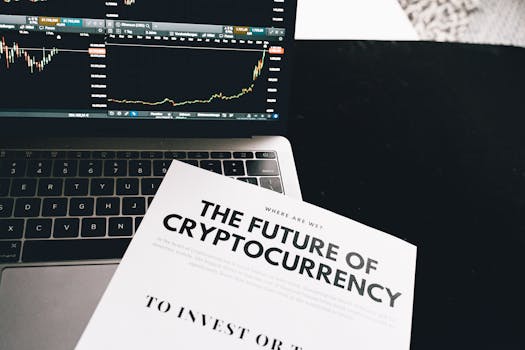
The worlds of art and finance are colliding in ways never seen before, thanks to the rise of cryptocurrencies and digital assets. In recent years, digital art and NFTs (non-fungible tokens) have transformed how creators, collectors, and investors perceive value, ownership, and opportunity in the art market. In this comprehensive guide, we’ll explore how cryptocurrencies are fueling a new era of art investment, how digital art and NFTs work, and what this means for buyers, artists, and the future of creative expression.
The Digital Art Boom: How Blockchain Changed Art Investment
The traditional art market has always been associated with exclusive galleries, in-person auctions, and a tight-knit network of collectors and dealers. In 2021, the global art market generated over $65 billion in sales, but only a small fraction of these transactions involved digital works. That changed dramatically with the advent of blockchain technology and cryptocurrencies.
Blockchain brought transparency, verifiable ownership, and the concept of digital scarcity to art, enabling artists to create and sell digital works as unique, traceable assets. This shift not only democratized access to art investing—making it possible for anyone with an internet connection to acquire digital art—but also opened the door to a new asset class: NFTs.
.png)
NFTs are cryptographically unique tokens stored on a blockchain, representing ownership of a digital or physical item. In the art world, they allow for the creation, transfer, and trading of digital art in a way that ensures authenticity and provenance. By 2022, NFT art sales surpassed $2.6 billion, with platforms like OpenSea and Rarible leading the charge.
Understanding NFTs: The Technology Behind Digital Art Value
To grasp how digital art and NFTs work, it’s crucial to understand what makes NFTs special. Unlike cryptocurrencies such as Bitcoin or Ethereum, which are interchangeable (fungible), NFTs are one-of-a-kind. Each NFT contains metadata and a unique identifier that distinguishes it from every other token.
Here’s how NFTs power the digital art revolution:
- $1 When you buy an NFT, you acquire a unique digital certificate of ownership, recorded permanently on the blockchain. - $1 The blockchain ledger cannot be altered, ensuring the authenticity and history of the digital artwork. - $1 NFTs can contain smart contracts, allowing for automatic royalty payments to artists each time the artwork is resold—something not possible in the traditional art world.NFTs can represent a wide range of digital art forms, from images and animations to music, video clips, and even interactive experiences. For example, Beeple’s “Everydays: The First 5000 Days” sold for $69.3 million at Christie’s in 2021, making it the most expensive NFT artwork to date and signaling mainstream acceptance of digital art as a valuable asset.
Investing in Digital Art: Opportunities and Risks
Digital art and NFTs have attracted both seasoned art collectors and first-time investors. The combination of global accessibility, fractional ownership, and blockchain-backed provenance makes NFT art appealing as both a creative and financial asset.
Key opportunities include:
- $1 NFT marketplaces operate 24/7 and welcome participants worldwide, removing geographic barriers. - $1 Digital art can be traded instantly on decentralized platforms, unlike traditional art, which may languish in galleries or storage for years. - $1 Smart contracts ensure that artists receive a percentage (often 5-10%) of every future resale, creating a sustainable income stream.However, investing in digital art also carries risks:
- $1 NFT prices can fluctuate wildly, with some works losing value quickly after initial hype. - $1 The ease of minting NFTs means bad actors can sell plagiarized or unauthorized works. - $1 As governments grapple with how to classify and regulate digital assets, legal frameworks remain in flux.A 2023 survey by NonFungible.com found that over 70% of NFT art buyers saw their holdings appreciate in value, but more than 25% experienced losses due to sudden market downturns or illiquidity.
Comparing Traditional Art Investment vs. NFT Art Investment
To better understand the differences between investing in traditional art and digital/NFT art, consider the following comparison:
| Aspect | Traditional Art | NFT/Digital Art |
|---|---|---|
| Ownership Proof | Physical certificate, gallery record | Blockchain token (NFT) |
| Accessibility | Limited to galleries, auctions, private sales | Global, online marketplaces open 24/7 |
| Liquidity | Low, may take months/years to sell | High, instant trading on NFT platforms |
| Artist Royalties on Resale | Rare, difficult to enforce | Automated via smart contracts |
| Market Transparency | Opaque, limited public data | Full transaction history on blockchain |
| Physical Storage | Requires secure space, insurance | Stored digitally, no physical risk |
This table highlights how NFTs are reshaping the art investment landscape, making it more transparent, accessible, and efficient.
How to Buy, Sell, and Store NFT Art
If you’re considering entering the world of NFT art investment, here’s a step-by-step overview:
1. $1 To interact with NFT marketplaces, you’ll need a digital wallet, such as MetaMask or Coinbase Wallet, compatible with Ethereum or the blockchain used by your chosen platform. 2. $1 Purchase cryptocurrency (usually ETH) through an exchange and transfer it to your wallet. 3. $1 Platforms like OpenSea, Rarible, SuperRare, and Foundation specialize in NFT art. Each offers different artist communities, curation standards, and features. 4. $1 Explore available digital art, review provenance, and place a bid or purchase outright. Once bought, the NFT is transferred to your wallet, and ownership is recorded on the blockchain. 5. $1 You can list your NFTs for sale or auction on the same or other compatible marketplaces at any time. 6. $1 Unlike physical art, NFT art is stored in your digital wallet. For added security, many investors use hardware wallets or cold storage solutions to protect their assets from hacking or phishing attacks.As of early 2024, OpenSea boasts over 2 million active users and has facilitated more than $20 billion in cumulative NFT sales, demonstrating the scale and popularity of this new market.
The Evolving Role of Artists and Collectors in the NFT Era
NFTs haven’t just changed how art is bought and sold—they’ve also empowered artists and collectors in unprecedented ways.
For artists:
- $1 Creators can connect directly with global audiences, bypassing traditional gatekeepers. - $1 Royalties embedded in smart contracts ensure artists earn from secondary sales. - $1 Digital formats allow for experimentation with new media, interactivity, and collaboration.For collectors and investors:
- $1 NFT collectors can own provably unique digital assets, often with perks like access to events or future releases. - $1 Many projects foster vibrant communities around their art, offering voting rights, airdrops, or involvement in creative decisions. - $1 Early collectors of sought-after artists or projects can see significant returns if the work gains popularity.A prime example is the Bored Ape Yacht Club, which launched in April 2021 and sold 10,000 unique NFTs. Owners not only received distinctive digital art but also access to exclusive online clubs, real-world events, and commercial rights to their apes. By mid-2022, some Bored Ape NFTs had sold for over $1 million each.
Looking Ahead: The Future of Cryptocurrencies and Art Investments
As technology and creativity continue to intertwine, the landscape of art investment is poised for further evolution. NFT art has already proven its staying power, attracting established artists like Damien Hirst, brands such as Adidas and Gucci, and even entire museums.
However, the market is still maturing. Expect to see:
- $1 More traditional institutions, like auction houses and galleries, incorporating NFT art into their offerings. - $1 Clearer legal guidelines to protect investors, artists, and collectors. - $1 Growth in generative art, interactive experiences, and cross-platform collaborations. - $1 Eco-friendly blockchain solutions to address concerns about energy use and carbon footprint.Whether you’re an artist, collector, or investor, understanding how cryptocurrencies and NFTs are reshaping the art world is essential to navigating the opportunities and challenges of this digital renaissance.