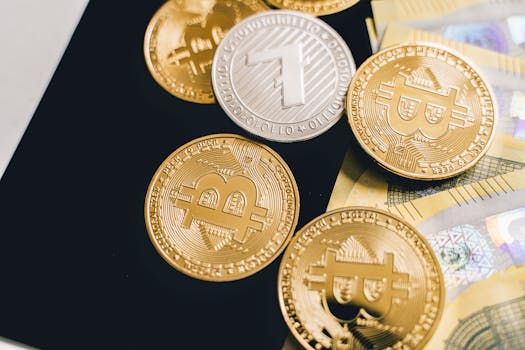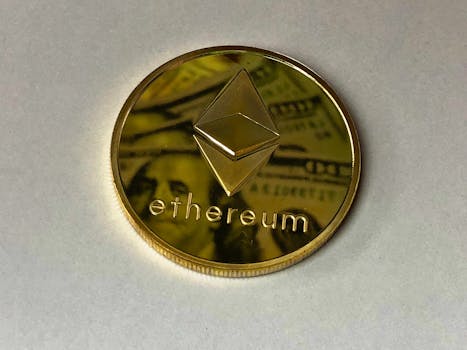
In recent years, the world of cryptocurrency has introduced a range of innovative fundraising mechanisms, but none have captured the imagination — or controversy — of investors quite like Initial Coin Offerings (ICOs). Propelled into the spotlight during the 2017 crypto boom, ICOs quickly became a popular way for blockchain startups to raise capital, bypassing traditional venture capital and regulatory frameworks. Yet, for all their promise, ICOs have also been fraught with risks, regulatory scrutiny, and a fair share of scams. What exactly are ICOs, how do they work, and what should prospective investors know before participating? Let’s dive into the mechanics, history, benefits, and challenges of ICOs to better understand their role in the evolving digital economy.
What Is an Initial Coin Offering (ICO)?
An Initial Coin Offering (ICO) is a fundraising method used by blockchain projects to raise capital by issuing and selling a new cryptocurrency or token to investors. In essence, an ICO is similar to an Initial Public Offering (IPO) in the stock market, where shares of a company are sold to the public for the first time. However, while IPOs deal with ownership in a company, ICOs typically offer tokens that may represent access to a future service, voting rights, or utility within a project’s ecosystem.
In a typical ICO, a project publishes a whitepaper outlining its vision, technical details, tokenomics (the economics of the token), and roadmap. Investors can purchase these tokens, usually with established cryptocurrencies like Bitcoin or Ethereum, before the project is fully developed. The hope is that, as the project grows, these tokens will appreciate in value and can be traded on crypto exchanges.
.png)
The ICO boom peaked in 2017, with more than 800 ICOs launched that year, raising over $6 billion globally according to CoinSchedule. Some of the most notable ICOs include Ethereum, which raised $18 million in 2014, and EOS, which raised a staggering $4.1 billion in 2018.
How ICOs Work: From Whitepaper to Token Distribution
The process of launching and participating in an ICO typically follows several key steps:
1. Whitepaper Release: The project team publishes a detailed whitepaper explaining the problem they aim to solve, how their blockchain solution works, the role of the token, team credentials, and how the raised funds will be used. 2. Pre-Sale and Marketing: To generate buzz and attract early investors, projects may hold a pre-sale phase with bonuses or discounts. Marketing campaigns often leverage social media, crypto forums, and influencer endorsements. 3. Token Sale: During the main ICO, investors send funds (usually in Ethereum or Bitcoin) to a specified wallet address and receive tokens in return. The ICO may last from a few days to several weeks. 4. Token Listing: After the ICO ends, tokens are distributed to investors and, ideally, listed on cryptocurrency exchanges, allowing trading and liquidity. 5. Project Development: The team uses the raised capital to build out the platform, develop technology, and fulfill promises made in the whitepaper.It’s important to note that participating in an ICO often requires a certain level of technical knowledge, as investors must use digital wallets and interact with blockchain platforms. Additionally, most ICOs are open globally, but some restrict participation from certain countries due to regulatory reasons.
ICOs vs. Traditional Fundraising: A Comparative Overview
ICOs have often been compared to traditional fundraising methods like IPOs and venture capital (VC) rounds. Each approach has its own advantages and drawbacks, especially when it comes to accessibility, regulation, and investor protection. The table below highlights key differences:
| Aspect | ICO | IPO | Venture Capital |
|---|---|---|---|
| Investor Access | Global, open to public (with exceptions) | Usually limited to institutional and retail investors in certain markets | Institutional investors, private networks |
| Regulation | Lightly regulated or unregulated (varies by country) | Heavily regulated, SEC oversight (in US) | Contract-based, some oversight |
| Asset Received | Tokens (utility, governance, or security) | Company shares (ownership) | Equity or convertible notes |
| Transparency | Whitepaper, project website | Prospectus, audited financials | Due diligence, private disclosures |
| Speed of Fundraising | Weeks to months | Months to years | Months to years |
| Risks | High (scams, volatility, lack of recourse) | Lower (regulatory protection) | Moderate (contractual protection) |
This comparison illustrates why ICOs became so popular: they enabled projects to access a global pool of capital quickly, without the red tape or high costs of traditional finance. However, the lack of regulation has also made ICOs riskier for investors.
Success Stories and Notable Failures in the ICO Space
While many ICOs have faded into obscurity, a handful have achieved remarkable success. Ethereum is arguably the most famous example: its ICO in 2014 raised about $18 million from over 9,000 participants. Today, Ether (ETH) is the second-largest cryptocurrency by market capitalization, valued at over $200 billion as of mid-2024.
Another high-profile success was Binance, the world’s largest cryptocurrency exchange. Its 2017 ICO raised $15 million, and the Binance Coin (BNB) now powers a vast ecosystem, with a market cap exceeding $50 billion at its peak.
However, the ICO landscape has also been marred by spectacular failures and outright scams. According to a 2018 study by Satis Group, more than 80% of ICOs launched in 2017 were scams or failed to deliver on their promises. Infamous cases include:
- BitConnect: Marketed as a lending platform, BitConnect’s ICO raised millions before collapsing in early 2018, resulting in losses estimated at $1 billion. - Centra Tech: Backed by celebrity endorsements, Centra Tech’s ICO raised $25 million before its founders were charged with fraud by the SEC.These examples highlight the high-risk, high-reward nature of ICO investing. Regulatory scrutiny has since increased, with the U.S. Securities and Exchange Commission (SEC) and other agencies taking action against fraudulent offerings.
Regulatory Evolution and the Future of ICOs
Initial Coin Offerings initially existed in a regulatory gray area, but as billions of dollars flowed into the space, governments worldwide began to take notice. The U.S. SEC has ruled that many ICO tokens qualify as securities and thus fall under existing securities laws. In 2020, the SEC’s case against Telegram’s TON ICO resulted in a $1.2 billion refund order and set a precedent for future token offerings.
Other countries have adopted varying stances:
- China banned ICOs outright in 2017, citing financial stability risks. - Switzerland and Singapore have developed more nuanced frameworks, allowing ICOs under certain conditions. - The European Union is moving toward comprehensive crypto regulation under its Markets in Crypto-Assets (MiCA) framework, due to take effect in 2024.The regulatory clampdown has led to a decline in traditional ICOs. In their place, new models like Security Token Offerings (STOs) and Initial Exchange Offerings (IEOs) have emerged, offering greater investor protection and regulatory compliance. According to ICOBench, ICO fundraising dropped from $7.8 billion in 2018 to under $400 million in 2022, reflecting both regulatory pressure and evolving market dynamics.
Risks and Considerations for ICO Investors
Investing in ICOs can be lucrative but is inherently risky. Here are key risks and considerations to keep in mind:
1. Lack of Regulation: Unlike IPOs, ICOs may not be subject to rigorous regulatory oversight, leaving investors vulnerable to fraud and mismanagement. 2. Project Viability: Many ICO projects lack a working product or experienced team. A 2018 Ernst & Young report found that 86% of ICO tokens were trading below their listing price within a year. 3. Security Risks: Smart contract bugs, phishing attacks, and wallet hacks have resulted in significant investor losses. In 2017, hackers stole $7 million from investors during the CoinDash ICO. 4. Token Utility: Not all tokens offer real value or utility. Some may never be listed on exchanges, leaving investors with illiquid assets. 5. Legal Uncertainty: Regulatory changes can retroactively affect ICO projects, as seen in several SEC enforcement actions.To mitigate these risks, investors should conduct thorough research, scrutinize the project’s whitepaper and team, and only invest what they can afford to lose.
Final Thoughts on Navigating the ICO Landscape
ICOs have undeniably shaped the cryptocurrency industry, unlocking new ways for projects to raise capital and for investors to participate in early-stage innovation. However, the era of “wild west” ICOs is fading as regulators, investors, and entrepreneurs adapt to a maturing market. Today, successful token offerings are more likely to prioritize transparency, compliance, and sustainable utility.
For anyone considering ICO participation, education and caution are key. By understanding the mechanics, risks, and evolving regulations, investors can make more informed decisions — and potentially reap the rewards of the next big breakthrough in blockchain technology.