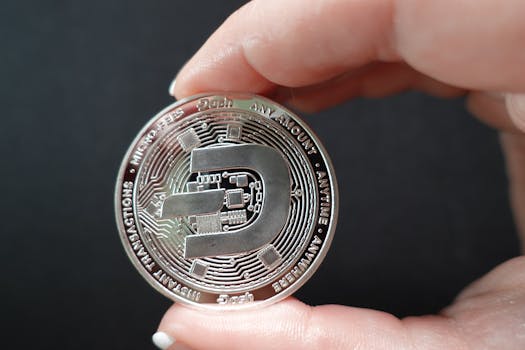
The explosive growth of cryptocurrencies has revolutionized the financial landscape, offering investors exciting opportunities and new ways to manage wealth. However, with this digital frontier comes a unique set of risks. According to a 2023 Chainalysis report, crypto-related thefts and scams resulted in over $3.8 billion in losses globally last year alone. Unlike traditional banks, cryptocurrencies operate on decentralized systems, meaning there is limited recourse if your assets are compromised. As a result, securing your cryptocurrency investments is not just advisable—it's essential.
Whether you’re a seasoned investor or just getting started, understanding and implementing robust security measures can mean the difference between safeguarding your assets and falling victim to cybercrime. This comprehensive guide will walk you through proven strategies and actionable steps to secure your cryptocurrency investments, using real-world examples and the latest data to help you take control of your digital future.
The Unique Security Challenges of Cryptocurrency
Cryptocurrencies like Bitcoin, Ethereum, and others operate on blockchain technology, which provides inherent transparency and immutability. However, the very features that make crypto attractive also introduce distinct vulnerabilities:
.png) - $1 Unlike a traditional bank account, you are solely responsible for your crypto wallet’s security. Losing your private key means losing access to your funds permanently.
- $1 Once a transaction is made, it cannot be reversed. Mistaken addresses or unauthorized transfers are final.
- $1 Hackers and scammers target crypto investors through phishing, malware, SIM swapping, and exchange breaches.
- $1 Unlike a traditional bank account, you are solely responsible for your crypto wallet’s security. Losing your private key means losing access to your funds permanently.
- $1 Once a transaction is made, it cannot be reversed. Mistaken addresses or unauthorized transfers are final.
- $1 Hackers and scammers target crypto investors through phishing, malware, SIM swapping, and exchange breaches.
A 2023 survey by Kaspersky found that 19% of crypto owners have experienced hacking attempts, while 14% actually lost funds due to security lapses. Understanding these risks is the first step toward robust protection.
Wallet Security: Choosing the Right Solution
Selecting the right type of crypto wallet is foundational to securing your digital assets. Wallets generally fall into two categories: hot wallets (connected to the internet) and cold wallets (offline storage). Here’s a comparative overview:
| Wallet Type | Security Level | Accessibility | Best For |
|---|---|---|---|
| Hot Wallet (e.g., web, mobile, desktop) | Moderate | High | Frequent trading, small amounts |
| Cold Wallet (e.g., hardware, paper) | High | Low to Moderate | Long-term holding, large amounts |
Hot wallets are convenient but more vulnerable to online attacks. Cold wallets, such as Trezor or Ledger devices, store private keys offline, drastically reducing the risk of hacking. In fact, no major hardware wallet has ever been compromised remotely, making them the gold standard for storing significant sums.
If you use a hot wallet, always enable all available security features, such as two-factor authentication (2FA) and strong, unique passwords. For cold storage, keep your hardware wallet and recovery seed phrase in separate, secure locations—preferably in a safe deposit box or a fireproof home safe.
Protecting Private Keys and Recovery Phrases
Your private key is the only way to access your cryptocurrency. If someone else gains access, they can move your funds without restriction. Here are crucial steps to protect these sensitive credentials:
- $1 No legitimate service will ever ask for your private key or seed phrase. If prompted, it’s almost certainly a scam. - $1 Write down your recovery phrase on paper and store it securely. Do not store it digitally (e.g., on your phone or computer), as these can be hacked or infected by malware. - $1 For long-term durability, especially against fire or water damage, specialized metal plates can be used to engrave your seed phrase. Products like Cryptosteel or Billfodl offer robust options. - $1 Create multiple copies of your recovery phrase and store them in different secure locations. This guards against loss from theft, natural disaster, or forgetfulness.A 2022 study by the University of Cambridge found that over 20% of all Bitcoin is believed to be lost, primarily due to misplaced private keys or forgotten recovery phrases. Don’t become part of this statistic—prioritize the secure handling of your credentials.
Guarding Against Phishing, Scams, and Social Engineering
Cybercriminals often exploit human psychology rather than technical vulnerabilities. Phishing attacks—where scammers impersonate legitimate entities to trick you into revealing sensitive information—are rampant in the crypto world. In 2023, over $1.3 billion was lost globally to phishing-related crypto theft.
Here’s how to protect yourself:
- $1 Always verify website addresses. Scammers often create fake sites that mimic popular exchanges or wallets with slight misspellings. - $1 Access your crypto services through bookmarks to avoid mistyping URLs. - $1 Never click on links or download attachments from unknown senders, even if the message appears urgent or alarming. - $1 If you receive a request for personal information, contact the company directly through official channels. Legitimate support teams will never ask for your private key. - $1 Follow official social media accounts and websites for announcements. Scammers often spread fake news of “giveaways” or “urgent updates” to trick users.Real-world example: In 2022, a sophisticated phishing campaign targeted users of a leading crypto exchange, resulting in $35 million in stolen assets. The scam involved emails directing users to a lookalike login page, where their credentials were captured.
Securing Your Devices and Network
Your cryptocurrency’s security is only as strong as the devices and networks you use to access it. Hackers frequently target weak points such as outdated software or unsecured Wi-Fi. Follow these best practices:
- $1 Always use the latest versions of your wallet, operating system, and antivirus software. Updates patch vulnerabilities that hackers can exploit. - $1 Conduct transactions only on trusted, private networks. Public Wi-Fi is notoriously insecure and can be used to intercept sensitive data. - $1 Wherever possible, use hardware-based 2FA (like Google Authenticator or YubiKey) rather than SMS, which is susceptible to SIM-swapping attacks. - $1 For high-value transactions, consider using a device solely for crypto activities. This reduces exposure to malware and phishing. - $1 Regularly scan your devices for threats. According to Symantec, 1 in 36 mobile devices had high-risk apps installed in 2023.Additionally, consider encrypting sensitive files and using strong, unique passwords for all crypto-related accounts. Password managers like Bitwarden or 1Password can help manage complex credentials securely.
Insurance and Regulatory Protection: What’s Available?
While personal vigilance is paramount, some external protections are emerging as the industry matures. Crypto insurance is a growing field, offering coverage for theft, hacking, and even loss of private keys in some cases.
- $1 Some leading exchanges, such as Coinbase, offer insurance for digital assets stored in “hot wallets.” However, this coverage is often limited and does not extend to personal wallets or losses from individual negligence. - $1 Companies like Lloyd’s of London and BitGo are pioneering insurance products for institutional and high-net-worth investors. However, premiums can be high and policies may have strict requirements. - $1 Regulatory frameworks vary widely by country. For example, the European Union’s Markets in Crypto-Assets (MiCA) regulation aims to enhance investor protection and transparency. In the U.S., the SEC and CFTC are expanding oversight, but there is still no federal insurance equivalent to the FDIC for crypto.According to a 2023 Deloitte report, less than 2% of all cryptocurrency holdings are insured, highlighting the importance of self-protection.
Staying Informed: The Ongoing Nature of Crypto Security
The cryptocurrency landscape is constantly evolving, as are the methods used by cybercriminals. Staying informed is crucial:
- $1 Subscribe to security updates from your wallet provider and major exchanges. - $1 Platforms like Reddit and Bitcointalk are valuable sources of up-to-date information on threats and best practices. - $1 New threats emerge regularly. Make it a habit to review your security setup every few months and adapt as needed.Recent trends, such as the rise of decentralized finance (DeFi) protocols, introduce new attack vectors like smart contract vulnerabilities. In 2023 alone, DeFi hacks accounted for $1.6 billion in losses. Staying proactive and informed is your best defense.
Final Steps to Secure Your Cryptocurrency Investments
Securing your cryptocurrency investments is a multi-layered process that demands both technology and vigilance. By understanding unique crypto risks, choosing the right wallets, safeguarding your private keys, defending against scams, securing your devices, and exploring insurance options, you lay a solid foundation for your digital wealth.
Remember, the decentralized nature of cryptocurrencies means you are your own bank, and with that comes both freedom and responsibility. A few careful steps today can save you from irretrievable losses tomorrow. Stay informed, stay cautious, and treat your investments with the same care you would any valuable asset.