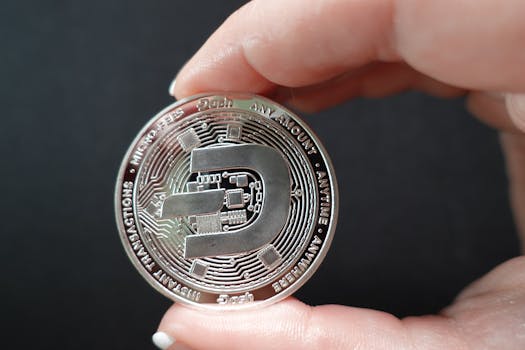
The world of cryptocurrency is filled with innovation, opportunity, and, unfortunately, risk. As digital assets like Bitcoin and Ethereum have surged in popularity, so too have the number and sophistication of scams targeting both novice and seasoned investors. In 2023 alone, crypto-related scams cost victims an estimated $2.6 billion globally, according to Chainalysis. This article explores the most notorious cryptocurrency scams, how they operate, and, crucially, what steps you can take to protect yourself in this ever-evolving digital landscape.
The Rise of Cryptocurrency Scams: Why Are They So Prevalent?
Cryptocurrencies operate on decentralized networks, offering anonymity, speed, and global accessibility. These features, while attractive to legitimate users, also make digital assets a prime target for scammers. The lack of central oversight, irreversible transactions, and the technical complexity of blockchain technologies create fertile ground for fraudsters.
According to the Federal Trade Commission (FTC), crypto scams have increased by over 300% since 2020. The ease of creating fake tokens, launching scam websites, and exploiting social media platforms means anyone can fall victim, from individuals investing a few hundred dollars to institutions moving millions.
.png)
Infamous Cryptocurrency Scams: Lessons from the Biggest Frauds
History is rife with examples of massive cryptocurrency scams that have shaken investor confidence and led to greater calls for regulation. Here are three of the most notorious cases:
1. $1 Once the world’s largest Bitcoin exchange, Mt. Gox filed for bankruptcy after reporting the loss of 850,000 Bitcoins, worth roughly $450 million at the time. The collapse was due to a combination of hacking, mismanagement, and alleged fraud. 2. $1 BitConnect promised high-yield returns through a mysterious “trading bot.” It was later exposed as a Ponzi scheme, with investors losing over $1 billion. The collapse led to lawsuits and regulatory crackdowns. 3. $1 Marketed as a high-yield wallet, PlusToken defrauded users of more than $2 billion in cryptocurrencies. Its operators were arrested, but many victims never recovered their funds.These cases highlight the scale and impact of crypto scams, often resulting in financial ruin for unsuspecting investors.
Common Types of Cryptocurrency Scams: How They Work
Understanding the types of scams that dominate the crypto space is essential to avoid becoming a victim. Below is an overview of the most prevalent schemes:
| Scam Type | Description | Estimated Losses (2023) | Key Red Flags |
|---|---|---|---|
| Ponzi & Pyramid Schemes | Promise high returns paid from new investors’ money, not real profits. | $1.1 billion | Guaranteed returns, referral bonuses, lack of transparency |
| Phishing Attacks | Trick users into giving up private keys or login info via fake emails/sites. | $250 million | Unsolicited messages, misspelled URLs, urgent requests |
| Rug Pulls | Developers abandon a project after raising funds, leaving investors with worthless tokens. | $308 million | No team transparency, unaudited code, sudden token price spikes |
| Fake Exchanges & Wallets | Fraudulent platforms that steal deposits or credentials. | $150 million | Lack of regulation, unrealistic offers, poor online reviews |
| Impersonation & Giveaway Scams | Scammers pose as celebrities or companies, promising free crypto for a “small fee.” | $50 million | Requests for payment to receive rewards, fake endorsements |
Real-World Examples: How Cryptocurrency Scams Trap Victims
To better understand how these scams operate, let’s look at a few real-world examples:
- $1 In 2021, hackers took over verified Twitter accounts, including those of major corporations and personalities like Elon Musk, to post fake “giveaway” promotions. Victims were told to send Bitcoin to an address for the promise of double returns. Over $2 million was stolen in a single day through this method. - $1 The DeFi (Decentralized Finance) boom saw the creation of thousands of new tokens and projects. In 2022, the developers of the Squid Game token executed a rug pull after the token’s price soared 23,000%. The team vanished, and investors lost over $3 million. - $1 In 2023, scammers used Google Ads to promote fake versions of popular crypto wallets like MetaMask and Phantom. Unsuspecting users who clicked these ads were redirected to phishing sites, resulting in the theft of millions in digital assets.These schemes often exploit trending topics, celebrity influence, or technical confusion to lure victims.
How to Spot a Cryptocurrency Scam: Red Flags and Warning Signs
With so many types of scams, vigilance is key. Here are some common red flags to watch for:
1. $1 No legitimate investment, especially in crypto, can guarantee fixed or outsized profits. 2. $1 Scammers create urgency to prevent thorough scrutiny or due diligence. 3. $1 Anonymous teams, hidden addresses, and no clear business model are warning signs. 4. $1 Always check if an exchange or wallet is registered or licensed with relevant authorities. 5. $1 No legitimate service will ever ask for these details. 6. $1 Scammers often use fake testimonials or impersonate influencers.If something sounds too good to be true, it probably is.
Protecting Yourself: Best Practices for Avoiding Cryptocurrency Scams
Defense against crypto scams requires a combination of technical savvy and common sense. Here are actionable steps to safeguard your assets:
- $1 Always access exchanges and wallets via bookmarked, official websites. Double-check URLs, especially if clicking links from emails or ads. - $1 This adds an extra layer of security to accounts, making unauthorized access much harder. - $1 Store large amounts of crypto in hardware wallets, which are immune to online hacking. - $1 Investigate team credentials, project roadmaps, and third-party audits. Use platforms like CoinGecko or CoinMarketCap to verify legitimacy. - $1 Follow updates from trusted sources, such as the FTC, SEC, or established crypto news outlets. - $1 Keep your private keys, seed phrases, and passwords confidential at all times.According to a 2023 report by CipherTrace, over 60% of crypto thefts could have been prevented by basic due diligence and secure storage practices.
The Future of Cryptocurrency Security: Can Regulation and Technology Help?
While the crypto ecosystem is still maturing, efforts to combat scams are accelerating. Governments are enacting stricter regulations, while exchanges and wallet providers are improving security and user education.
For example, the European Union’s Markets in Crypto-Assets (MiCA) regulation, expected to be enforced in 2024, will impose higher standards of transparency and accountability on crypto businesses. Major exchanges like Coinbase and Binance are implementing robust KYC (Know Your Customer) procedures and anti-fraud systems.
On the technology front, blockchain analytics firms such as Chainalysis and Elliptic are helping track illicit transactions and alert users to suspicious activity. Smart contract audits and bug bounties are becoming standard practice for new DeFi projects.
Despite these advances, the best defense remains personal vigilance. As scammers grow more sophisticated, staying informed and cautious is essential.
Staying Safe in the Crypto World: Key Takeaways
The rapid rise of cryptocurrencies has brought new investment opportunities—and new risks. While scams have become more creative and widespread, understanding their methods and recognizing red flags can greatly reduce your chances of falling victim.
Remember, no legitimate crypto project will ever promise guaranteed returns, ask for private keys, or rush you into a decision. By combining careful research, secure storage practices, and skepticism toward “too good to be true” offers, you can navigate the crypto world safely and confidently.