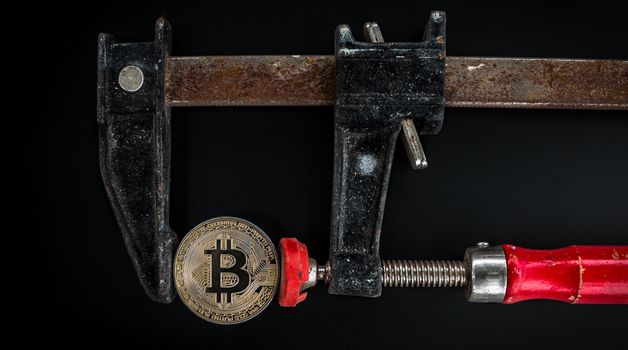
The Impact of Regulations on the Future of Cryptocurrencies in the Czech Republic: What Lies Ahead?
Cryptocurrencies have long been at the frontier of technological innovation and financial disruption. In the Czech Republic, digital assets like Bitcoin and Ethereum have steadily gained popularity, with an estimated 9% of the adult population having invested in cryptocurrencies by the end of 2023, according to a survey by STEM/MARK. As global and regional authorities intensify their focus on regulating this sector, the Czech Republic stands at a crossroads: how will evolving regulations shape the future of crypto in the country? This article explores the current regulatory landscape, anticipated changes, their likely effects on investors and businesses, and considers what the future may hold for the Czech crypto market.
The Current Regulatory Landscape for Cryptocurrencies in the Czech Republic
Unlike some of its European neighbors, the Czech Republic has adopted a relatively moderate approach to cryptocurrency regulation. While digital currencies are not recognized as legal tender, they are classified as intangible assets for tax purposes. The Czech National Bank (ČNB) does not regard cryptocurrencies as currency or electronic money, distancing itself from direct oversight.
.png)
However, Czech authorities enforce anti-money laundering (AML) and counter-terrorism financing (CTF) measures in line with the European Union’s Fifth Anti-Money Laundering Directive (AMLD5). Since 2020, businesses such as crypto exchanges, wallet providers, and ATMs have been required to register with the Trade Licensing Office and comply with strict identity verification procedures for transactions over €1,000.
Key facts: - As of 2023, there are over 80 registered crypto-related businesses in the Czech Republic. - The country has more than 150 Bitcoin ATMs, making Prague one of the cities with the highest ATM density per capita in Europe. - Crypto profits are taxed at a flat rate of 15% for individuals and 19% for corporations.This pragmatic stance has fostered innovation while ensuring transparency and preventing misuse. Yet, as the European Union pushes towards a harmonized regulatory framework, changes are looming on the horizon.
Incoming EU Regulations: MiCA and Their Implications
The Markets in Crypto-Assets (MiCA) regulation is set to become the most influential piece of EU legislation for the crypto industry. Approved in 2023 and expected to come into full effect by mid-2024, MiCA aims to harmonize rules across EU member states, including the Czech Republic.
Key provisions of MiCA include: - Licensing requirements for crypto-asset service providers (CASPs). - Enhanced consumer protection and transparency rules. - Mandatory disclosure of whitepapers for new crypto assets. - Stablecoin issuers face strict reserve and operational requirements.For the Czech market, MiCA brings both opportunities and challenges. On one hand, unified rules could make it easier for Czech crypto businesses to expand across the EU, increasing competitiveness. On the other, smaller startups may struggle with compliance costs, potentially leading to market consolidation.
| Aspect | Current Czech Regulations | MiCA Provisions |
|---|---|---|
| Licensing | Registration with Trade Licensing Office | Full EU-wide licensing for CASPs |
| Consumer Protection | Limited, mostly AML/CTF focus | Mandatory disclosures, complaint mechanisms |
| Stablecoins | No specific framework | Strict reserve, transparency, and operational rules |
| Cross-border Operation | Case-by-case basis | Single EU passport for compliant providers |
MiCA’s harmonized approach is expected to increase investor confidence, but it may also raise barriers for entry, particularly for new or small-scale ventures.
Taxation and Reporting: What Crypto Investors Need to Know
Tax authorities in the Czech Republic have steadily increased their oversight of cryptocurrency activities. As of 2024, individuals and companies must declare crypto gains as part of their annual tax filings. The Financial Administration has issued several guidelines clarifying the treatment of crypto transactions.
Key points for Czech investors: - Crypto-to-crypto trades (e.g., exchanging Bitcoin for Ethereum) are taxable events. - Gifts and inheritances of cryptocurrencies are subject to standard inheritance and gift taxes. - Losses from cryptocurrency trading can be offset against gains, reducing the overall tax burden.In 2023, the Czech Financial Administration reported a 42% year-on-year increase in declared crypto earnings, indicating growing awareness and compliance among investors.
However, the complexity of tracking and reporting crypto transactions remains a challenge. Many investors rely on specialized tax software or professional advice to ensure compliance, especially as the authorities improve their ability to monitor blockchain transactions.
Regulatory Opportunities and Challenges for Czech Crypto Businesses
The Czech Republic’s central location and vibrant tech sector have made it an attractive base for crypto startups. However, the evolving regulatory environment presents both opportunities and hurdles.
Opportunities: - Passporting under MiCA will enable Czech firms to offer services across the EU without multiple licenses. - Enhanced consumer protections could improve market trust and attract institutional investors. - Clearer rules may foster the development of innovative products, such as security tokens and decentralized finance (DeFi) applications. Challenges: - Compliance costs are expected to rise, particularly for smaller firms. According to the European Crypto Initiative, initial compliance with MiCA could cost up to €100,000 for a typical startup. - Ongoing regulatory uncertainty may discourage long-term investment and delay product launches. - Increased scrutiny could push some activities underground or offshore, reducing the domestic tax base.Despite these challenges, established Czech crypto companies like SatoshiLabs (creator of Trezor wallets) and General Bytes (a leading Bitcoin ATM manufacturer) are well-positioned to adapt and thrive under the new regime.
The Role of Consumer Protection and Education in Shaping the Future
Regulations are only as effective as the public’s understanding of them. The Czech government and financial sector have taken steps to educate consumers about the risks and responsibilities associated with cryptocurrencies.
- In 2023, the ČNB launched an educational campaign warning of the risks of crypto investing, including volatility and the potential for fraud. - Financial literacy initiatives now increasingly include modules on digital assets and blockchain technology. - Local universities, such as Charles University in Prague, have introduced specialized courses on crypto-economics and regulation.Consumer protection measures embedded in MiCA and local laws focus on transparency, security of customer funds, and clear communication of risks. These efforts are vital, as the Czech Association for Capital Markets reported that 61% of crypto investors in the country are under 35, a demographic more likely to be targeted by scams and misinformation.
What Lies Ahead: Scenarios for the Czech Crypto Market
As the regulatory framework matures, the Czech crypto market could evolve along several paths:
1. $1 With robust regulations and EU-wide passporting, crypto firms could partner with traditional banks, leading to hybrid products and broader adoption. 2. $1 Higher compliance costs may push smaller players out of the market, resulting in a few well-capitalized firms dominating the sector. 3. $1 Clearer rules may enable the development of regulated DeFi platforms, tokenized securities, and blockchain-based financial services tailored to Czech and EU consumers. 4. $1 If regulations are perceived as too restrictive, some businesses may relocate or operate informally, posing challenges for oversight and consumer protection.According to a 2024 survey by the Czech Fintech Association, 68% of industry participants believe that regulation will ultimately have a positive impact, provided it remains balanced and innovation-friendly.
Final Thoughts on the Impact of Regulations on Cryptocurrencies in the Czech Republic
The future of cryptocurrencies in the Czech Republic will be shaped by the country’s ability to balance innovation with prudent oversight. As EU-wide regulations like MiCA come into force, Czech crypto investors and businesses must adapt to new requirements while seizing the opportunities they bring. The journey ahead is not without hurdles, but with proactive education, industry collaboration, and a commitment to transparency, the Czech Republic is poised to remain a significant player in the evolving European crypto landscape.