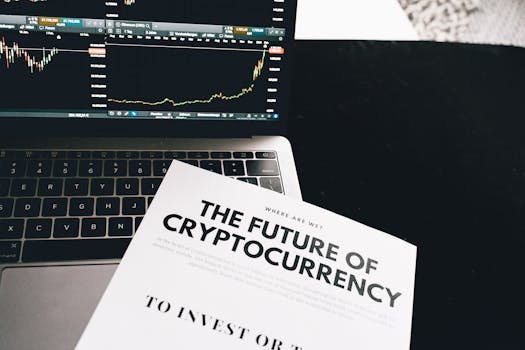
Choosing the right cryptocurrency exchange is one of the most critical decisions for anyone looking to buy, sell, or invest in digital assets. With over 500 active exchanges worldwide handling billions of dollars every day, the landscape is crowded, competitive, and sometimes confusing. From security protocols to liquidity, from regulatory compliance to user experience, every factor can impact your safety, costs, and overall success in the crypto space.
Whether you’re a first-time investor or a seasoned trader, understanding how to evaluate and compare exchanges is essential. This guide breaks down the key factors to consider, highlights important statistics, and offers practical recommendations to help you make an informed choice.
Understanding the Types of Cryptocurrency Exchanges
Before diving into specific evaluation criteria, it’s important to recognize the main types of cryptocurrency exchanges. Each serves different needs and offers unique advantages or limitations.
.png)
Centralized Exchanges (CEX) Centralized exchanges are operated by a company that acts as an intermediary between buyers and sellers. Examples include Binance, Coinbase, and Kraken.
- Handle over 90% of global crypto trading volume (as of early 2024) - Offer high liquidity, advanced trading tools, and fiat-to-crypto options - Require user registration and identity verification (KYC)Decentralized Exchanges (DEX) Decentralized exchanges run on blockchain protocols, allowing peer-to-peer trading without intermediaries. Notable examples include Uniswap, PancakeSwap, and dYdX.
- No central authority; users retain control of their funds - Typically do not require KYC, offering greater privacy - Accounted for 18% of total crypto trading volume in March 2024 (source: The Block Research)Hybrid Exchanges A newer category, hybrid exchanges blend the liquidity and user experience of CEXs with the self-custody of DEXs. Examples include DeversiFi and Nash.
Understanding which type best matches your needs is the first step in narrowing down your options.
Security: The Non-Negotiable Priority
Security is arguably the most critical factor when choosing a cryptocurrency exchange. Since 2011, hackers have stolen nearly $3.2 billion from exchanges worldwide (Chainalysis, 2023). Therefore, robust security protocols are essential to protect your funds and personal information.
Look for these key security features:
- Cold Storage: At least 95% of customer assets should be stored offline, away from internet threats. - Two-Factor Authentication (2FA): This adds an extra layer of security for account logins and withdrawals. - Insurance Funds: Some exchanges, like Coinbase and Gemini, provide insurance against certain types of losses. - Regular Audits: Third-party security audits and proof-of-reserves reports increase transparency. - Withdrawal Whitelists: Ability to restrict withdrawals to pre-approved addresses.Ask yourself: Has the exchange experienced any breaches? How did they respond? For example, after a 2019 hack, Binance refunded users out of their insurance fund—demonstrating responsibility and preparedness.
Regulation, Compliance, and Geographic Restrictions
Crypto regulations vary dramatically by country, and so do the policies and protections of exchanges. Regulatory compliance is not just about following rules—it’s about ensuring user safety and fair practices.
Key points to consider:
- Licensing: Is the exchange registered with financial authorities in your country? For instance, Bitstamp is regulated in the EU and US. - KYC/AML Requirements: Most reputable exchanges require identity verification to comply with anti-money laundering laws. - Geographic Access: Some exchanges restrict services in certain countries due to local regulations. For example, Binance.US is separate from Binance.com due to US regulations.In 2023, global authorities imposed over $5.7 billion in fines on crypto entities for non-compliance (Elliptic, 2024). Always choose exchanges that are transparent about their legal standing and compliance procedures.
Liquidity, Fees, and Trading Experience: What Impacts Your Bottom Line
Beyond safety, the practical experience of trading on an exchange can significantly affect your returns and satisfaction. Key factors include liquidity, fees, and trading features.
Liquidity A liquid exchange offers tighter bid-ask spreads and faster order execution. As of April 2024:
- Binance processes over $18 billion in daily spot trading volume. - Coinbase averages $2.8 billion daily. - Low-volume exchanges may suffer from price slippage and longer order fulfillment times.Fees Exchanges typically charge:
- Trading Fees: Ranging from 0% to 0.5% per trade. - Deposit/Withdrawal Fees: May vary by payment method and currency. - Hidden Costs: Watch for spreads or minimum withdrawal thresholds. Trading Tools and User Interface - Advanced exchanges offer charting, limit/stop orders, and margin trading. - Mobile apps and simple interfaces are essential for beginners. - Customer support response times can make a big difference—some leading exchanges resolve 95% of support tickets within 24 hours.Here’s a comparative overview of some leading exchanges as of 2024:
| Exchange | Daily Volume (USD) | Trading Fees | Regulatory Status | Security Features | Key Drawback |
|---|---|---|---|---|---|
| Binance | $18B+ | 0.10% (maker/taker) | Limited US access | 2FA, cold storage, SAFU fund | Complex for beginners |
| Coinbase | $2.8B | 0.50% (variable) | US-regulated | 2FA, insurance, cold storage | Higher fees |
| Kraken | $800M | 0.16%/0.26% | US/EU-regulated | 2FA, cold storage | Fewer coins |
| Uniswap (DEX) | $1.2B | ~0.30% | Decentralized | Non-custodial, open-source | Requires wallet, higher fees for small trades |
Supported Assets, Payment Methods, and Accessibility
Not all exchanges support the same range of cryptocurrencies or payment options. The ideal platform should cater to your asset preferences and make depositing or withdrawing funds simple.
Supported Cryptocurrencies - In 2024, Binance offers over 360 coins, Coinbase supports around 240, while Kraken lists about 220. - DEXs may offer even more tokens, but some are illiquid or riskier. Payment Methods - Bank transfers, credit/debit cards, PayPal, and even Apple Pay are becoming common. - Check for instant deposits, processing times, and any associated fees. User Accessibility - Multilingual support, educational resources, and accessibility features (like dark mode or screen reader compatibility) can enhance usability. - Mobile app ratings: Coinbase (4.7/5 on iOS), Binance (4.5/5), Kraken (4.3/5).For newcomers, exchanges with simple onboarding, educational content, and responsive customer support provide a smoother entry point into crypto.
Reputation, Community Feedback, and Long-Term Reliability
Finally, an exchange’s reputation—built over years of service and millions of users—can be a powerful indicator of trustworthiness and reliability.
Reputation Metrics - User Base: Binance reports over 150 million users, Coinbase over 110 million. - Longevity: Exchanges founded before 2017 have generally demonstrated better resilience and regulatory adaptation. - Community Feedback: Independent review sites, Reddit, and Twitter can reveal red flags or highlight exceptional service. Reliability - Uptime is crucial—look for platforms with 99.9%+ uptime records. - Regular communication (via blogs, social media, or email) about updates and incidents signals transparency.In 2023, 87% of traders said exchange reputation was a deciding factor in their choice (CryptoCompare survey).
Final Thoughts on Selecting the Best Cryptocurrency Exchange
Choosing the right cryptocurrency exchange isn’t a one-size-fits-all decision. Your priorities—be they security, asset selection, regulatory compliance, low fees, or ease of use—should guide your choice. By carefully weighing the factors outlined above and staying informed about the evolving crypto landscape, you can maximize your safety and success in digital asset trading.
Remember, it’s often wise to use more than one exchange: one for trading, another for holding assets, and possibly a third for access to unique tokens or features. Always keep the majority of your funds in secure, self-custodied wallets, and treat exchanges as transactional platforms, not long-term storage.